
Du khách nào cũng quen với cảm giác đó - bạn vừa hạ cánh, điện thoại vẫn đang ở chế độ máy bay, và việc đầu tiên cần làm trước khi có thể bắt đầu bất cứ điều gì là tìm một quầy bán SIM. Có một lý do khiến hàng triệu người không còn phải làm vậy nữa. Đó là travel eSIM, và đến cuối bài viết này bạn sẽ hiểu chính xác nó là gì, điện thoại của bạn có hỗ trợ hay không, và vì sao đây có thể là nâng cấp đơn giản nhất bạn nên thực hiện trước chuyến đi tiếp theo.
Travel eSIM là gì?

eSIM (embedded SIM) là SIM kỹ thuật số được tích hợp trực tiếp vào điện thoại của bạn ngay từ nhà máy. Không có chip vật lý để lắp vào hoặc tháo ra; thay vì mua một thẻ SIM nhựa, bạn tải trực tiếp gói cước của nhà mạng xuống thiết bị.
Chỉ riêng sự thay đổi đó, từ vật lý sang kỹ thuật số - đã thay đổi toàn bộ trải nghiệm du lịch. Và cách đơn giản nhất để hình dung nó là như sau.
Mua SIM vật lý giống như lái xe đến cửa hàng để mua một chiếc CD. Mua eSIM giống như tải thẳng album đó về điện thoại.
Cùng một bản nhạc. Không cần đến cửa hàng. Không lo làm rơi chiếc đĩa xuống đáy túi.
Bản thân chip eSIM không thay đổi; nó được tích hợp cố định bên trong thiết bị. Thứ thay đổi là profile được nạp vào đó. Bạn có thể tải gói cước từ nhà mạng ở quê nhà, xóa đi, rồi nạp gói du lịch cho Nhật Bản mà không cần chạm vào khay SIM. Công nghệ này được GSMA chuẩn hóa trên toàn cầu, nghĩa là nó hoạt động theo cùng một cách dù bạn đang dùng mạng tại Mỹ, nhà mạng ở Nhật hay nhà cung cấp tại châu Âu.
eSIM hoạt động như thế nào?
Thiết lập eSIM chỉ mất khoảng hai phút: bạn mua gói online, nhận QR code qua email, quét bằng camera điện thoại, và gói cước sẽ được cài đặt. Đó là toàn bộ quy trình.
Không cần cửa hàng. Không cần chờ đợi. Không cần hỏi một người lạ ở sân bay xem kiosk nào bán SIM. Dưới đây là chính xác những gì diễn ra, từ đầu đến cuối:
- Chọn điểm đến và gói data - chọn gói phù hợp với thời gian chuyến đi và nhu cầu sử dụng data
- Hoàn tất thanh toán - QR code gần như xuất hiện ngay trong hộp thư của bạn
- Quét QR code - mở cài đặt eSIM hoặc camera điện thoại, đưa máy vào mã và chạm xác nhận
- Thiết lập tùy chọn kích hoạt - phần lớn du khách chọn kích hoạt khi đến quốc gia mới, để data tự động bật ngay khi điện thoại kết nối vào mạng địa phương
Bạn không cần kích hoạt ngay tại thời điểm cài đặt. Cách thông minh là quét QR code ở nhà trước ngày khởi hành một hoặc hai ngày, rồi để đó. Ngay khi bạn hạ cánh và điện thoại bắt được sóng địa phương - bạn online. Bản đồ sẽ tải trước cả khi bạn đến khu lấy hành lý.
Còn nếu bạn đi qua nhiều quốc gia thì sao?
Điện thoại của bạn có thể lưu nhiều profile eSIM cùng lúc. Nếu hành trình đưa bạn qua Nhật Bản, Hàn Quốc và Singapore, bạn có thể cài sẵn gói cho từng chặng trước khi bay, rồi chuyển đổi giữa chúng khi băng qua từng biên giới. Trong lúc đó, profile của nhà mạng ở quê nhà vẫn được giữ nguyên - số điện thoại thường dùng của bạn vẫn có thể liên lạc suốt chuyến đi.
Điện thoại của tôi có hỗ trợ travel eSIM không?
Phần lớn smartphone ra mắt từ năm 2018 trở đi đều hỗ trợ eSIM, bao gồm toàn bộ iPhone từ XS/XR và hầu hết Android flagship từ năm 2020 trở đi. Nếu người dùng đã mua một mẫu điện thoại tầm trung đến cao cấp trong bốn hoặc năm năm gần đây, khả năng rất cao là máy đã sẵn sàng cho eSIM - chỉ là có thể chưa nhận ra.
Đừng đoán. Hãy kiểm tra model của bạn với danh sách dưới đây:
Tương thích với iPhone
| Model | Hỗ trợ eSIM |
| iPhone XS, XS Max, XR (2018) | ✅ Có |
| iPhone 11 series | ✅ Có |
| iPhone 12 series | ✅ Có |
| iPhone 13 series | ✅ Có |
| iPhone 14 series | ✅ Có |
| iPhone 15 series (US models) | ✅ Chỉ eSIM — không có khay SIM vật lý |
| iPhone SE (2nd gen, 2020+) | ✅ Có |
| iPhone X and older | ❌ Không |
Tương thích với Android
| Thương hiệu | Các model hỗ trợ eSIM |
| Samsung | Galaxy S20 trở lên, dòng Z Fold/Flip, một số mẫu A-series (A54, A55+) |
| Google Pixel | Pixel 3 trở lên |
| OnePlus | 12 trở lên |
| Motorola | Dòng Razr, Edge+ 2022 trở lên |
Cách tự kiểm tra trên thiết bị:
- iPhone → Cài đặt → Cài đặt chung → Giới thiệu → kéo xuống và tìm "Digital SIM" hoặc mã EID
- Android (Samsung) → Cài đặt → Kết nối → Trình quản lý SIM
- Android (Pixel / stock) → Cài đặt → Mạng và Internet → SIM
Nếu thấy tùy chọn “Add eSIM”, “Download a SIM” hoặc có mã EID hiển thị, thiết bị đó là tương thích.
Lưu ý về điện thoại chỉ dùng eSIM: iPhone 15 bán tại Mỹ không có khay SIM vật lý - thiết bị này vận hành hoàn toàn bằng eSIM. Đây là hướng đi mà toàn bộ ngành đang tiến tới. Hiện tại, phần lớn model quốc tế vẫn hỗ trợ cả hai lựa chọn, nhưng đây là thay đổi đáng để lưu ý.
eSIM và SIM vật lý khi đi du lịch: khác nhau thực sự ở điểm nào?
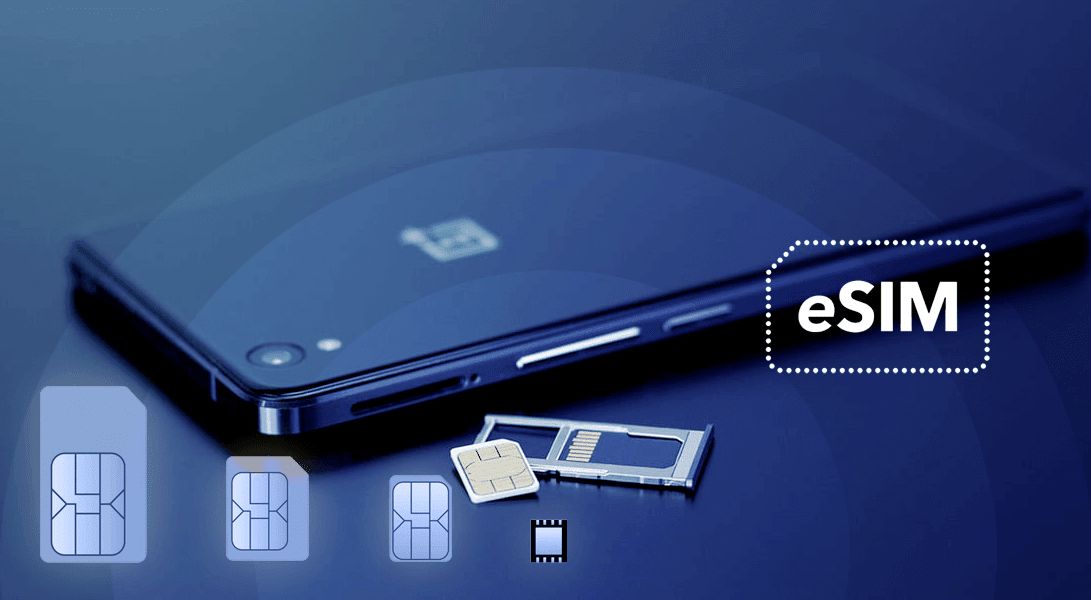
Khác biệt cốt lõi nằm ở sự tiện lợi: SIM vật lý là thẻ bạn phải mua trực tiếp và lắp vào điện thoại, còn eSIM là gói cước bạn tải về bằng phương thức kỹ thuật số ngay cả trước khi rời nhà. Nhưng vượt lên trên khía cạnh kỹ thuật, điều thực sự tách biệt hai lựa chọn này với du khách là trải nghiệm — và khác biệt đó bắt đầu ngay từ khoảnh khắc chuyến bay hạ cánh.
| SIM vật lý | eSIM | |
| Bạn mua ở đâu | Kiosk sân bay hoặc cửa hàng địa phương khi đến nơi | Online, trước khi xếp hành lý |
| Thời gian thiết lập | 10–30 phút (xếp hàng, thay SIM, cấu hình) | Dưới 2 phút |
| Số điện thoại chính của bạn | Tạm ngắt khi SIM du lịch hoạt động | Vẫn hoạt động suốt chuyến đi |
| Nhiều quốc gia | Cần SIM mới cho từng quốc gia | Chuyển profile ngay trên điện thoại |
| Nguy cơ thất lạc | Có thật — đây là một mẩu nhựa rất nhỏ | Không — nó được tích hợp sẵn trong thiết bị |
Travel eSIM sử dụng đúng công nghệ giống eSIM thông thường — điểm khác biệt nằm ở gói cước, không nằm ở con chip. Travel eSIM đơn giản là một gói eSIM được bán riêng cho nhu cầu quốc tế, với thời hạn ngắn hơn, mức giá thân thiện với du khách và không có hợp đồng dài hạn.
Đây là điểm khiến rất nhiều người mới dùng bối rối - và một khi hiểu ra, mọi thứ sẽ rất dễ nắm bắt. Tài khoản Netflix thông thường và gói dùng thử miễn phí 7 ngày đều chạy trên cùng một nền tảng streaming. Cùng công nghệ, nhưng điều khoản hoàn toàn khác. Travel eSIM cũng vậy: cùng con chip trong điện thoại, nhưng gói cước được thiết kế riêng theo cách du khách thực sự di chuyển.
Trong thực tế, điều đó thường có nghĩa là:
- Thời hạn ngắn - 1, 3, 5, 7, 15 hoặc 30 ngày, được thiết kế theo độ dài chuyến đi thay vì chu kỳ thanh toán
- Không hợp đồng tháng - mua cho một chuyến đi, dùng xong là hết khi gói hết hạn
- Tùy chọn khu vực và nhiều quốc gia - một gói phủ toàn bộ Đông Nam Á hoặc toàn bộ châu Âu, không cần đổi nhà cung cấp ở mỗi biên giới
- Mức giá dành cho du khách - trả đúng cho những gì bạn thực sự dùng ở nước ngoài, thay vì gánh cả một gói thuê bao nội địa
Gói cước hiện tại của nhà mạng ở quê nhà - nếu điện thoại đã được thiết lập theo kiểu đó, về mặt kỹ thuật nó cũng là một eSIM. Nhưng nó được xây dựng cho người sống cố định trong một quốc gia. Travel eSIM được thiết kế cho người đi qua nhiều quốc gia. Cuộc tranh luận bây giờ thực ra không còn là công nghệ nào “tốt hơn” — mà là lựa chọn nào giúp việc di chuyển trở nên dễ dàng hơn khi đã hiểu rõ sự khác biệt giữa SIM vật lý và travel eSIM.
Vì sao du khách đang chuyển sang dùng eSIM?
Du khách chuyển sang eSIM vì nó loại bỏ mọi điểm ma sát từng gắn liền với việc kết nối ở nước ngoài - hàng chờ ở sân bay, chiếc thẻ SIM bé tí, số điện thoại chính bị ngắt, hay cảm giác hoảng khi vừa qua biên giới thì gói cước không còn hoạt động.
Hãy hỏi bất kỳ ai đã từng đi du lịch với eSIM một lần xem họ có muốn quay lại cảnh đi săn SIM lúc nửa đêm hay không. Câu trả lời gần như luôn là không. Đây là lý do:
- Không cần săn SIM ở sân bay. Thiết lập mọi thứ ngay tại nhà. Data hoạt động ngay khi bạn hạ cánh.
- Số điện thoại chính của bạn vẫn hoạt động. Cuộc gọi, tin nhắn, mã OTP ngân hàng, mọi thứ vẫn chạy trên số cũ, còn eSIM xử lý data khi bạn ở nước ngoài.
- Hoạt động ngay cả trước khi bạn bước xuống máy bay. Mở ứng dụng bản đồ ngay tại ống lồng. Nó đã tải sẵn.
- Không có gì để làm mất. eSIM nằm trong điện thoại. Bạn không thể làm rơi nó xuống cống trong nhà vệ sinh sân bay hay vô tình bỏ quên trong túi áo khoác khi đổi hành lý.
- Hành trình nhiều điểm đến trở nên đơn giản hơn. Cài sẵn gói cho từng quốc gia trước khi bay. Chuyển đổi giữa chúng mà không cần ghé cửa hàng nào.
- Phù hợp cả với những chuyến đi chốt phút chót. Quên chuẩn bị data cho một chuyến đi ngẫu hứng? Mua eSIM ngay trên taxi ra sân bay — QR code sẽ đến trong vài giây.
- Rất phù hợp cho thiết bị dual-SIM. Tách riêng số công việc và số cá nhân, hoặc chạy song song SIM chính và gói du lịch trên cùng một thiết bị.
Với người thường xuyên di chuyển, xu hướng chuyển sang eSIM thực ra không phải để chạy theo công nghệ mới; mà là vì họ nhận ra việc đi quốc tế trở nên dễ dàng hơn rất nhiều khi kết nối không còn là thứ phải bận tâm. Đó cũng chính là lý do ngày càng nhiều người bắt đầu hỏi liệu travel eSIM có thực sự đáng để dùng hay không ngay từ đầu.
Vì sao nên chọn Teclapi eSIM cho chuyến đi của bạn?
Nếu từng hạ cánh ở một quốc gia mới mà không có sóng, không có bản đồ và còn phải xếp hàng dài phía trước chỉ để mua SIM, thì hẳn ai cũng hiểu việc cần kết nối ở nước ngoài có thể căng thẳng đến mức nào.
Teclapi được tạo ra để loại bỏ chính khoảnh khắc đó khỏi chuyến đi.
Thay vì phải tìm kiosk SIM sau một chuyến bay dài, người dùng có thể cài eSIM trước khi rời nhà và hạ cánh với data đã sẵn sàng trên điện thoại.
Dưới đây là điều đó trông như thế nào trong thực tế:
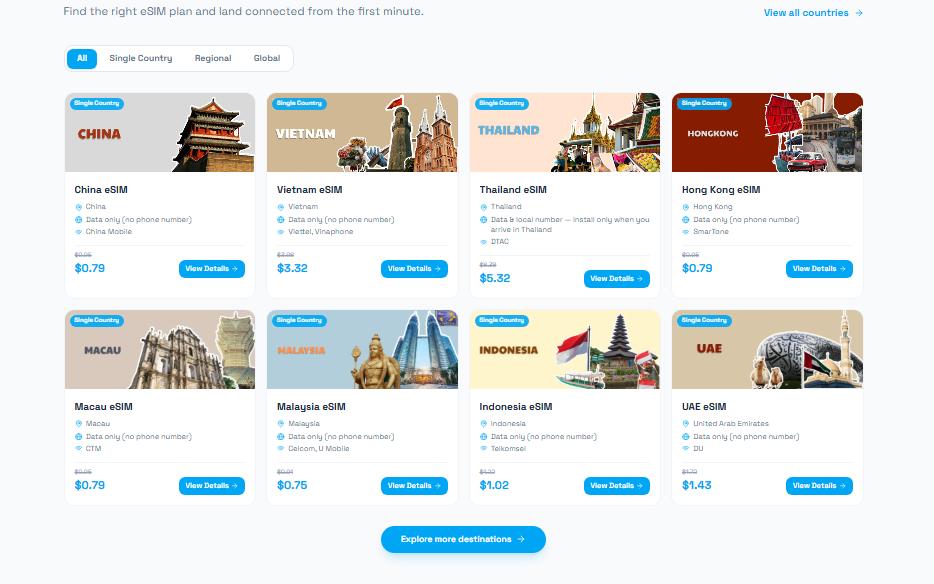
- Phủ sóng tại hơn 100 điểm đến: Từ Nhật Bản và Thái Lan đến Mỹ và khắp châu Âu, Teclapi cung cấp các gói theo quốc gia và khu vực, được thiết kế cho những hành trình nhiều điểm dừng hiện đại.
- Gửi QR tức thì: Mua online, nhận QR code trong vài giây và cài eSIM chỉ trong vài phút.
- Giữ số điện thoại chính luôn hoạt động: SIM thường vẫn ở nguyên để nhận cuộc gọi, tin nhắn và OTP ngân hàng, trong khi Teclapi xử lý data du lịch.
- Gói cước được xây dựng theo đúng nhu cầu di chuyển thực tế: Chọn các gói linh hoạt 7, 15 hoặc 30 ngày - không hợp đồng, không ràng buộc dài hạn.
- Hỗ trợ 24/7 trong suốt chuyến đi: Hỗ trợ luôn sẵn sàng qua WhatsApp, Zalo hoặc email trước chuyến đi và trong suốt hành trình, ở bất cứ đâu.
Hơn 10.000 du khách đã kết nối qua Teclapi tại hơn 100 quốc gia và 300+ mạng đối tác. Đây là một thương hiệu còn trẻ nhưng có nền tảng trải nghiệm du lịch thực tế phía sau - và chính sự kết hợp đó tạo ra khác biệt khi người dùng đang đứng ở một sân bay xa lạ lúc nửa đêm và tự hỏi vì sao data của mình chưa hoạt động.
Sẵn sàng đi du lịch với data đã chờ sẵn?
eSIM không phải là một bước nhảy công nghệ quá lớn. Nó chỉ là một thay đổi nhỏ ở thời điểm và cách thiết lập kết nối, nhưng chính thay đổi đó giúp người dùng đến một nơi hoàn toàn mới với bản đồ đã mở sẵn, chuyến xe đã đặt xong và tin nhắn đầu tiên về nhà đã được gửi đi. Thậm chí trước cả khi bước tới khu đón taxi.
Hoặc nếu đã sẵn sàng và chỉ muốn kết nối ngay, xem các gói Teclapi eSIM cho điểm đến của bạn →