
Nếu bạn từng hạ cánh ở một quốc gia mới, mở điện thoại lên và ngay lập tức cảm thấy như bị phí roaming “tấn công”, có lẽ bạn đã từng tự hỏi: Ưu và nhược điểm của eSIM du lịch là gì và eSIM có đáng dùng không? Với đa số du khách quốc tế, câu trả lời là có - đặc biệt nếu bạn muốn có data di động với chi phí hợp lý, thiết lập nhanh và bớt cảnh phải đi săn SIM ở sân bay sau một chuyến bay dài. eSIM du lịch không hoàn hảo cho mọi tình huống, nhưng với những chuyến đi ngắn ngày, hành trình qua nhiều quốc gia, công tác, và bất kỳ ai muốn có internet ngay khi vừa hạ cánh, đây là một trong những cách dễ nhất để giữ kết nối mà không biến hóa đơn điện thoại thành một “câu chuyện kinh dị”.
Ưu và nhược điểm của eSIM du lịch là gì?
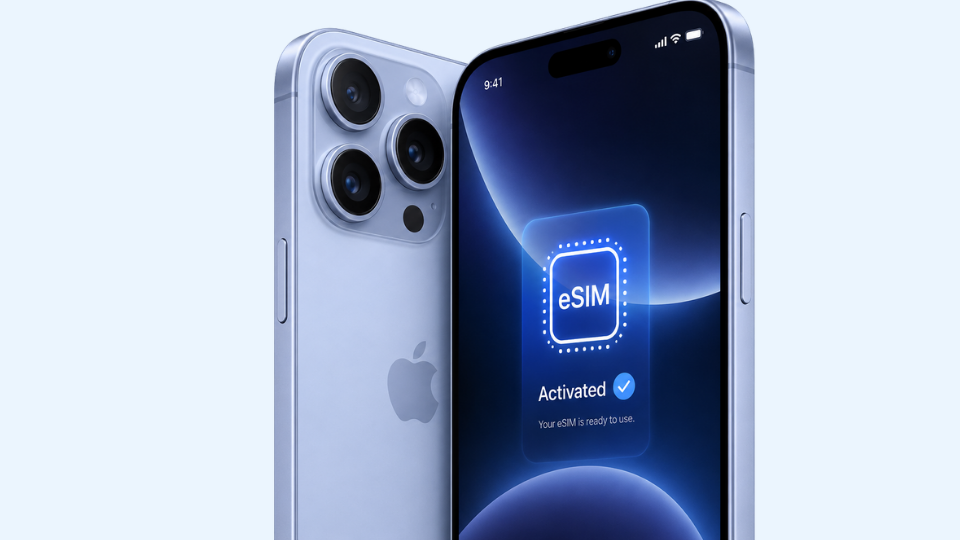
| Điều cần cân nhắc | Ưu điểm của eSIM du lịch | Nhược điểm của eSIM du lịch |
| Thiết lập trước khi khởi hành | Bạn có thể mua, cài đặt và chuẩn bị eSIM du lịch trước khi bay. Nhiều nhà cung cấp gửi eSIM qua email, thường kèm QR code hoặc hướng dẫn cài đặt. | Một số người có thể thấy hơi lúng túng trong lần đầu cài eSIM, nhất là nếu trước đó chưa từng dùng cài đặt dual SIM. |
| Chi phí so với roaming | Các gói eSIM du lịch thường dễ dự đoán chi phí hơn roaming quốc tế vì bạn chọn điểm đến, dung lượng data và thời hạn sử dụng trước khi thanh toán. | Nếu chọn sai dung lượng data, bạn có thể phải top up hoặc mua thêm gói khác trong chuyến đi. |
| Không cần SIM vật lý | Không cần tháo SIM chính, tìm cây chọc SIM hay lo làm mất SIM gốc. | Nếu điện thoại của bạn không hỗ trợ eSIM thì sẽ không dùng được. Một số máy bị khóa mạng cũng có thể chặn các gói eSIM từ bên thứ ba. |
| Giữ số chính của bạn | Nhiều điện thoại cho phép giữ SIM thường hoạt động đồng thời khi dùng eSIM cho data di động. Điều đó có nghĩa là bạn vẫn có thể giữ số WhatsApp của mình và tiếp tục nhận các tin nhắn quan trọng. | Một số eSIM du lịch là data-only, nên có thể không bao gồm số điện thoại địa phương, cuộc gọi thoại hoặc SMS. |
| Du lịch nhiều quốc gia | Các gói eSIM khu vực hoặc global có thể hoạt động ở nhiều quốc gia, nên bạn không cần mua SIM mới mỗi khi qua biên giới. | Độ phủ và tốc độ có thể khác nhau tùy điểm đến và đối tác mạng nội địa. |
| Có internet ngay sau khi hạ cánh | Bạn có thể kết nối nhanh khi đến nơi và dùng maps, ứng dụng gọi xe, ứng dụng đặt phòng, công cụ dịch và nhắn tin. | Nếu quên cài trước khi khởi hành, bạn có thể sẽ cần Wi‑Fi sân bay để hoàn tất thiết lập. |
| Bảo mật và sự tiện lợi | Vì không có SIM tháo rời, nguy cơ làm mất hoặc làm hỏng SIM du lịch sẽ thấp hơn. eSIM cũng giúp việc chuyển đổi gói dễ dàng hơn trên các thiết bị được hỗ trợ. | Nếu đổi điện thoại trong chuyến đi, việc chuyển eSIM có thể không đơn giản như chỉ chuyển một SIM vật lý. |
Nhìn chung, ưu và nhược điểm của eSIM du lịch có thể gói gọn trong một câu hỏi đơn giản: Bạn muốn chuẩn bị kết nối trước chuyến đi hay xử lý sau khi hạ cánh? Với đa số du khách, eSIM thắng thế vì loại bỏ một tác vụ nhỏ nhưng phiền toái khỏi checklist lúc đến nơi. Bạn vẫn cần kiểm tra thiết bị có tương thích hay không và chọn đúng gói data, nhưng khi xong hai việc đó, trải nghiệm thường dễ dàng hơn nhiều so với việc lơ mơ ở sân bay mà phải đi tìm mua SIM.
📲 Xu hướng hiện nay: Việc lên kế hoạch du lịch ngày càng mang tính số hóa hơn, và kết nối giờ đã trở thành một phần của chính chuyến đi chứ không còn chỉ là tiện ích bổ sung. Vé máy bay, khách sạn, gọi xe, dịch thuật, bản đồ, đặt nhà hàng, thậm chí cả biểu mẫu nhập cảnh thường đều phụ thuộc vào internet, đó là lý do nhiều du khách hiện xem eSIM như một dạng “bảo hiểm kết nối” khi đi du lịch. Nếu bạn đã biết điểm đến và muốn so sánh các lựa chọn data, bạn có thể khám phá các gói eSIM Teclapi trước chuyến đi.
Khi nào nên mua eSIM du lịch?
Lưu ý nhanh: Điện thoại của bạn cần hỗ trợ eSIM và đã được mở khóa mạng. Hầu hết iPhone đời mới, Samsung Galaxy và Google Pixel đều tương thích, và bạn có thể dễ dàng xác nhận bằng cách dùng công cụ kiểm tra thiết bị tương thích eSIM của chúng tôi hoặc tìm “eSIM” / “Digital SIM” trong phần cài đặt mạng.
Không có một thời điểm "sai" duy nhất để mua eSIM — nhưng có những chuyến đi mà việc có sẵn eSIM sẽ khiến mọi thứ dễ dàng hơn thấy rõ, và cũng có những hành trình mà nó thực sự thay đổi cách chuyến đi diễn ra. Những tình huống dưới đây là lúc du khách thường nói cùng một câu sau đó: "Lẽ ra tôi nên làm việc này sớm hơn."
- Bạn đang đi qua nhiều quốc gia: Nếu lịch trình của bạn là Paris → Barcelona → Lisbon, chỉ một eSIM khu vực là có thể phủ toàn bộ hành trình mà bạn không cần đụng đến khay SIM. Đây có lẽ là trường hợp dùng eSIM du lịch rõ ràng nhất — kiểu chuyến đi mà cách cũ (mua một SIM địa phương mới mỗi lần qua biên giới) từ bất tiện trở thành thực sự mệt mỏi.
- Chuyến đi của bạn kéo dài từ 3 ngày trở lên: Nếu chỉ đi trong một ngày, có thể bạn vẫn xoay sở được với Wi‑Fi khách sạn và cách dùng tiết kiệm. Nhưng khi rời đi vài ngày, bài toán chi phí đổi rất nhanh. Một gói eSIM tốt cho một tuần thường chỉ vào khoảng $5–$20 tùy điểm đến, nhiều khi còn thấp hơn phí roaming quốc tế của nhà mạng trong một ngày.
- Bạn đi công tác: Data ổn định không còn là thứ “có thì tốt” khi bạn cần nhận cuộc gọi, chia sẻ tài liệu và có cả một team kỳ vọng bạn online ngay khi vừa hạ cánh. eSIM loại bỏ hoàn toàn sự phỏng đoán: không phải đi tìm kiosk khi đến nơi, không phải chờ giao hàng, không phải giải thích với quản lý vì sao ba tiếng đầu tiên bạn không thể liên lạc. Số làm việc của bạn vẫn hoạt động trên SIM chính; eSIM âm thầm xử lý phần data ở nền.
- Bạn ở nước ngoài một tháng hoặc lâu hơn: Những người lưu trú dài ngày và digital nomad thường là nhóm chuyển sang eSIM mạnh mẽ nhất. Teclapi và nhiều nhà cung cấp khác có các gói thời hạn dài hơn hoặc top up đơn giản trên cùng một profile eSIM, nghĩa là bạn không phải bắt đầu lại từ đầu sau mỗi hai tuần hay đi tìm SIM nội địa mới ở từng thành phố mới.
- Việc mua SIM địa phương ở điểm đến của bạn thật sự phức tạp: Tại một số quốc gia, mua SIM địa phương đồng nghĩa với việc xuất trình hộ chiếu, hoàn tất đăng ký chính thức và chờ đợi. Indonesia là một ví dụ thường được nhắc đến; quy trình có thể mất tới một giờ. Một eSIM mua trước khi khởi hành sẽ bỏ qua toàn bộ việc đó — kết nối của bạn đã sẵn sàng từ trước cả khi lên máy bay.
- Phí roaming quốc tế của nhà mạng bạn khá cao: Nếu nhà mạng của bạn tính $10–$15 mỗi ngày cho roaming quốc tế (và đa số đều như vậy, trừ một số gói khu vực đặc biệt), thì ngay cả một chuyến city break 3 ngày ngắn ngủi cũng đủ khiến eSIM theo điểm đến trở nên đáng cân nhắc. Chênh lệch chi phí hiếm khi là nhỏ.
Điểm chung của tất cả các trường hợp này là thời gian và khả năng kiểm soát — bạn sắp xếp kết nối trước khi đến nơi, thay vì xử lý ở đầu bên kia. Với phần lớn du khách, chỉ riêng sự thay đổi đó đã khiến việc mua eSIM cho du lịch bớt giống một quyết định công nghệ và giống một phần rất tự nhiên của kế hoạch chuyến đi hơn.
Teclapi eSIM có đáng dùng cho du lịch không?
Thị trường eSIM đã phát triển mạnh trong vài năm qua, điều đó cũng có nghĩa là du khách giờ có rất nhiều lựa chọn — và cũng có rất nhiều cách để trả quá nhiều tiền cho một dịch vụ không đáp ứng kỳ vọng. Vì vậy, khi đánh giá liệu Teclapi eSIM có đáng dùng cho du lịch không, điều hữu ích nhất không phải là một danh sách tính năng — mà là hiểu điều gì thực sự quan trọng khi bạn đang ở một đất nước xa lạ, và liệu Teclapi có đáp ứng được những điều đó hay không.
Đây là bức tranh thực tế cả về con số lẫn trải nghiệm:
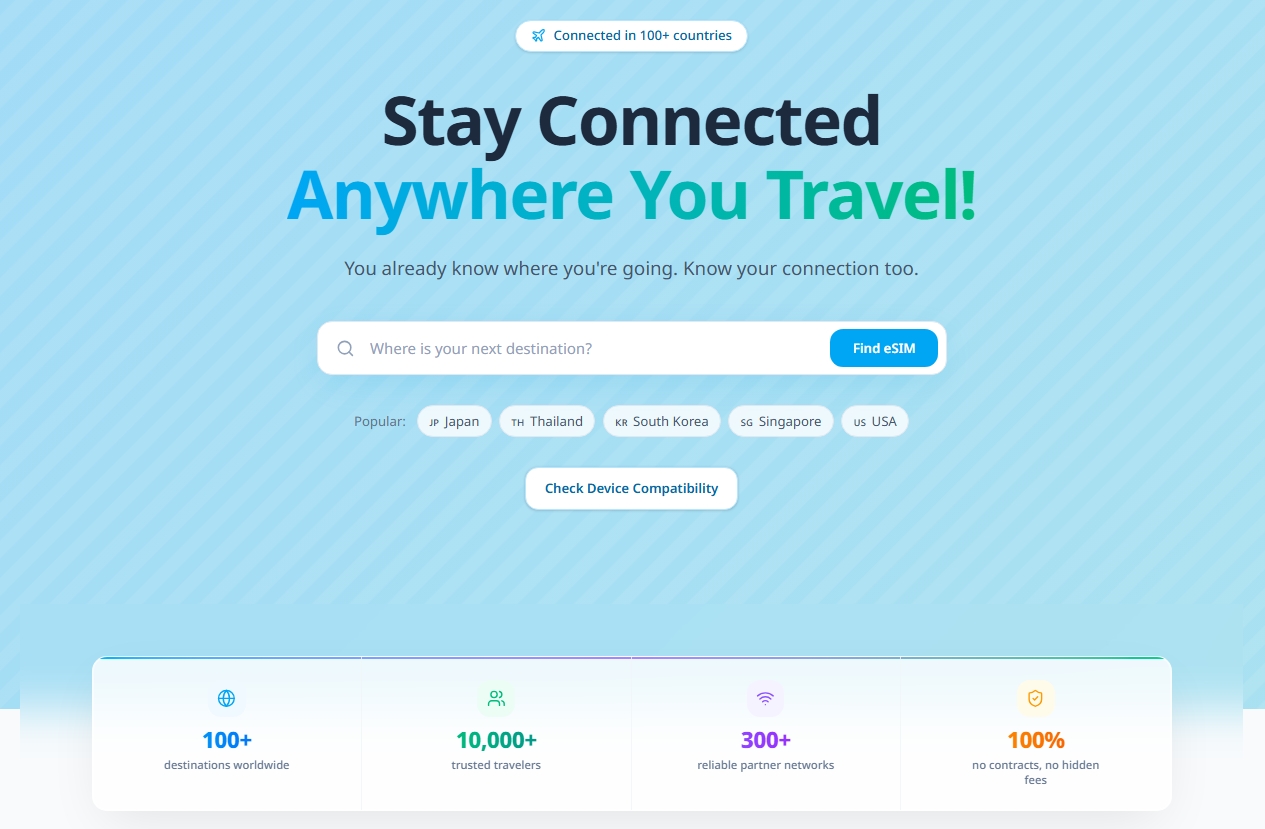
- Hỗ trợ 100+ quốc gia: Từ những điểm đến phổ biến như Nhật Bản, Việt Nam, Thái Lan, Tây Ban Nha, UAE và nhiều nơi khác, đến các gói khu vực cho hành trình nhiều quốc gia. Một số lựa chọn nổi bật gồm Malaysia từ $0.75, Trung Quốc và Hồng Kông từ $0.79, Tây Ban Nha từ $0.83, Việt Nam từ $3.32 (đã bao gồm số điện thoại địa phương), và Thái Lan từ $5.32 (có số địa phương và kích hoạt trên mạng nội địa). Phạm vi phủ sóng vẫn đang tiếp tục mở rộng.
- 300+ đối tác mạng trên toàn thế giới: Điều này quan trọng hơn tưởng tượng. Nhiều đối tác carrier hơn đồng nghĩa với tín hiệu địa phương tốt hơn ở nhiều nơi hơn, không chỉ trong trung tâm thành phố. Bạn sẽ kết nối qua các mạng nội địa đáng tin cậy ở bất cứ đâu mình hạ cánh.
- Không hợp đồng, không phí ẩn: Giá ở bước checkout là giá bạn thanh toán. Không phí kích hoạt, không tự động gia hạn, không khoản phí mơ hồ. Với các điểm đến như Nhật Bản và Hàn Quốc, nơi roaming của nhà mạng thường ở mức $10–$15/ngày, một gói eSIM Teclapi có thể giúp tiết kiệm 70–80%. Đó không phải là mức chênh lệch có thể bỏ qua.
- Kích hoạt QR code trong chưa đầy một phút: Mua online, nhận QR code ngay qua email, quét trong phần cài đặt là xong. Không cần tải app chỉ để bắt đầu.
- Giữ số điện thoại chính của bạn hoạt động: SIM thường của bạn vẫn chạy song song với eSIM Teclapi. Cuộc gọi, tin nhắn, OTP, WhatsApp từ số nhà — tất cả đều giữ nguyên trong khi eSIM xử lý data quốc tế.
- Hỗ trợ 24/7 qua WhatsApp, Email, Zalo: Teclapi hỗ trợ 24/7 cả trước khi khởi hành lẫn trong suốt chuyến đi. Điều này quan trọng vì các câu hỏi về eSIM thường xuất hiện vào những thời điểm không mấy thuận tiện: trước lúc boarding, ngay sau khi hạ cánh, hoặc khi giao diện cài đặt di động trông không giống hẳn hướng dẫn.
Về cốt lõi, Teclapi được xây dựng xoay quanh một ý tưởng: việc giữ kết nối ở nước ngoài nên được giải quyết xong trước khi bạn khởi hành — chứ không phải thứ bạn phải xoay xở trong áp lực khi vừa hạ cánh. Dù bạn là người chỉ thỉnh thoảng mới đi du lịch và đang thử eSIM lần đầu, hay một frequent flyer cần một giải pháp đáng tin cậy cho lịch trình dày đặc, triết lý đó thường thể hiện rất rõ trong từng chi tiết: giá, quy trình cài đặt, hỗ trợ, và bản đồ phủ sóng ngày càng mở rộng.
Xem các gói eSIM Teclapi theo điểm đến →
Làm thế nào để có eSIM cho du lịch quốc tế?
Việc có được một eSIM cho du lịch quốc tế không hề phức tạp, nhưng để chọn đúng gói thì cần cân nhắc nhiều hơn là chỉ chọn phương án rẻ nhất. Câu hỏi thực sự không chỉ là “Cài eSIM như thế nào?” mà còn là “Mình thực sự cần bao nhiêu data khi dùng maps, WhatsApp, Instagram, Spotify, và có thể còn tự nhủ là sẽ không xem Netflix trong khách sạn?”
Đây là cách thực tế hơn để nghĩ về chuyện đó.
Bước 1: Kiểm tra điện thoại có hỗ trợ eSIM hay không
Trước khi mua, hãy xác nhận điện thoại của bạn hỗ trợ eSIM và đã được mở khóa mạng. Nếu thiết bị bị khóa với một carrier cụ thể, nó có thể không chấp nhận eSIM du lịch từ nhà cung cấp khác. Với người dùng iPhone, Apple cho biết eSIM được hỗ trợ từ iPhone XS, iPhone XS Max, iPhone XR và các mẫu mới hơn, với các tùy chọn cài đặt bao gồm QR code và kích hoạt kỹ thuật số do carrier hỗ trợ.
Bước 2: Chọn điểm đến hoặc khu vực
Chọn quốc gia hoặc khu vực bạn sẽ đến. Nếu chỉ đi một nước, một gói theo điểm đến có thể là đủ. Nếu đi qua nhiều quốc gia, eSIM khu vực hoặc global có thể tiện hơn vì bạn không cần đổi gói mỗi khi qua biên giới.
Bước 3: Chọn dung lượng data phù hợp
Đây là chỗ nhiều du khách thường ước lượng thấp. Nhắn tin và maps không dùng nhiều data, nhưng mạng xã hội, video call, hotspot và streaming có thể ngốn data rất nhanh. Nếu chuyến đi của bạn bao gồm remote work, những chuyến tàu dài, thời gian quá cảnh ở sân bay hoặc kiểu “chỉ xem một tập thôi” trên Netflix, hãy chọn gói lớn hơn.
| Loại du khách | Hoạt động phổ biến | Dung lượng data gợi ý | Khuyến nghị thực tế |
| Du khách dùng nhẹ | Google Maps, nhắn tin WhatsApp, lướt web cơ bản, kiểm tra email, ứng dụng gọi xe | 1GB–3GB cho chuyến đi ngắn | Phù hợp cho 3–5 ngày nếu bạn chủ yếu dùng Wi‑Fi ở khách sạn và chỉ cần data di động khi ra ngoài. |
| Du khách thích mạng xã hội | Lướt Facebook, Instagram, đăng Stories, tải ảnh lên, nhắn tin, maps | 3GB–5GB cho 5–7 ngày | Hãy chọn ít nhất 3GB nếu bạn đăng bài thường xuyên. Instagram, TikTok và Facebook có thể âm thầm “ăn” data trong khi trông rất vô hại. |
| Du khách nghe nhạc và dùng điều hướng | Nghe Spotify, dùng maps, gọi WhatsApp, tìm nhà hàng, dùng app dịch | 5GB–10GB cho 1 tuần | Phù hợp nếu bạn nghe nhạc khi di chuyển và dùng maps mỗi ngày. Hãy tải playlist ngoại tuyến khi có thể để tiết kiệm data. |
| Du khách công tác | Email, Slack, gọi WhatsApp, Zoom hoặc Google Meet, tài liệu cloud, hotspot cho laptop | 10GB+ tùy thời lượng họp | Nếu bạn dùng hotspot hoặc video call, đừng mua gói nhỏ nhất. Data cho công tác biến mất còn nhanh hơn cả cà phê sân bay. |
| Du khách dùng nội dung nặng | Instagram Reels, TikTok, YouTube, Netflix, tải video lên, sao lưu cloud thường xuyên | 10GB–20GB+ | Streaming và tải video lên là hai thứ tốn data nhất. Nếu định xem Netflix, hãy dùng Wi‑Fi khách sạn hoặc tải sẵn tập phim trước chuyến đi. |
| Digital nomad / remote worker | Hotspot, họp video, upload file, công cụ làm việc, mạng xã hội, maps | 20GB+ hoặc các gói có thể gia hạn | Hãy dùng eSIM như kết nối lúc vừa đến nơi và kết nối dự phòng, sau đó cân nhắc gói nội địa lớn hơn hoặc gói có thể gia hạn cho các kỳ lưu trú dài. |
Bước 4: Cài eSIM khi bạn đang có Wi‑Fi
Sau khi mua, bạn thường sẽ nhận eSIM qua email kèm QR code hoặc hướng dẫn cài đặt. Hãy cài khi vẫn đang có Wi‑Fi ổn định, tốt nhất là trước chuyến bay. Điều này giúp quá trình nhập cảnh nhẹ nhàng hơn nhiều.
Bước 5: Kích hoạt vào đúng thời điểm
Một số gói eSIM bắt đầu kích hoạt khi được cài đặt, trong khi một số khác chỉ kích hoạt khi kết nối với mạng được hỗ trợ tại điểm đến. Hãy luôn đọc kỹ hướng dẫn kích hoạt trước khi quét hoặc bật line. Điều này giúp bạn tránh khởi động gói quá sớm.
Bước 6: Đặt eSIM làm line data di động
Khi đến nơi, vào phần cài đặt data di động và chọn eSIM du lịch làm line data. Nếu điện thoại hỗ trợ dual SIM, bạn có thể giữ SIM thường hoạt động cho cuộc gọi, SMS hoặc OTP trong khi dùng eSIM cho internet.
Với Teclapi eSIM, quy trình được thiết kế để thật đơn giản: Chọn gói, nhận eSIM qua email, sau đó quét và cài đặt. Teclapi mô tả đây là thiết lập bạn có thể hoàn tất trước chuyến bay, để có thể giữ kết nối ngay khi hạ cánh.
Kết luận
Vậy, eSIM có đáng dùng không? Với phần lớn du khách, câu trả lời là có. eSIM du lịch là một trong những cách dễ nhất để giữ kết nối ở nước ngoài vì cài nhanh, thường rẻ hơn roaming và tiện hơn việc mua SIM vật lý sau khi đến nơi. Nó đặc biệt đáng cân nhắc cho những chuyến đi quốc tế ngắn ngày, hành trình qua nhiều quốc gia, công tác, và bất kỳ ai muốn có data di động sẵn sàng ngay khi hạ cánh.
Có thể eSIM không phải lựa chọn hoàn hảo cho mọi du khách. Nếu điện thoại của bạn không hỗ trợ eSIM, nếu bạn cần số điện thoại địa phương, hoặc nếu bạn ở một quốc gia trong vài tháng, bạn vẫn nên so sánh thêm các lựa chọn SIM nội địa. Nhưng với phần lớn người đi du lịch chỉ cần maps, nhắn tin, lướt web, gọi xe, dịch thuật và các app du lịch hoạt động mượt mà mà không muốn đau đầu, eSIM hoàn toàn rất đáng cân nhắc.